
























































































The New UK Leisure Economy: Why Food Halls, Comedy Clubs and Multi-Use Venues Are Growing

A night out used to be organised as a sequence of separate decisions: choose a restaurant, find a bar, book a performance and work out how to travel between them. Increasingly, UK leisure businesses are bringing those decisions under one roof.
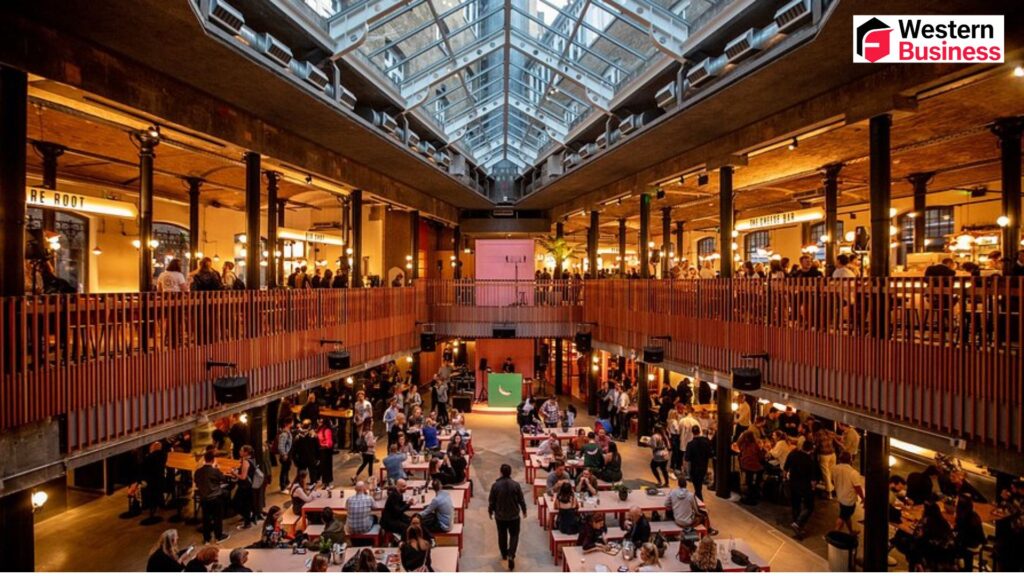
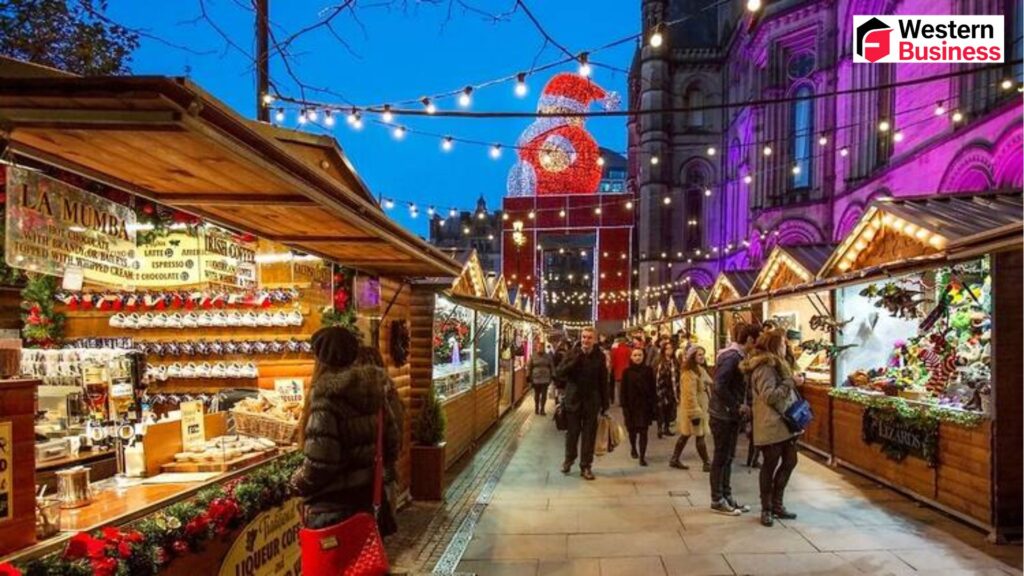
Food halls now host live music. Comedy venues include bars and communal dining. Markets become event spaces after dark. Large city-centre buildings are being redesigned around a mix of food, entertainment, sport and social activity.
This is more than a design trend. It reflects changes in how people use city centres, how groups make plans and how leisure operators manage risk.
Convenience Has Become Part of the Experience
Consumers have become accustomed to convenience in almost every area of life. They can compare products, reserve tables and buy tickets within minutes. A leisure outing that involves several complicated bookings can feel unnecessarily difficult.
Multi-use venues simplify the plan. A group can meet in one location and make choices after arriving. One person can order a different meal from another. Some members can attend a show while others remain in the social area. The evening can continue without repeated taxi journeys or searches for another venue.
The Blackstock Market Liverpool visitor guide describes a destination that combines independent food traders, comedy, live music, sports screenings and event areas. Its relevance to the wider leisure economy is clear: the venue sells flexibility as much as any individual activity.
Convenience does not mean the experience feels generic. In the best venues, each area has its own atmosphere while remaining part of a coherent whole.
Groups Want Choice Without Separation
Organising a group outing is difficult because preferences rarely match. One person wants a proper meal, another wants casual food, someone is avoiding alcohol and someone else mainly wants entertainment.
Traditional venues often require the group to agree before arriving. A multi-use destination allows preferences to coexist.
This makes the model attractive for:
- Birthdays
- Work socials
- Family outings
- Match screenings
- Informal dates
- Tourist groups
- Pre-show and post-show gatherings
The business benefit is significant. Mixed groups may spend across several categories during one visit. A customer who would not book a comedy show may still buy food. A diner may discover a future music event. An employer arranging a social may return later for a private booking.
Choice increases the number of ways a visitor can become a customer.
Independent Traders Gain Access to Shared Footfall
Food halls and market-style venues often give independent traders access to a level of footfall they would struggle to create alone. A small kitchen benefits from the venue’s entertainment programme, marketing and central seating. In return, a varied trader mix makes the overall destination more attractive.
This shared model can lower some barriers, but it also creates dependencies. Traders rely on the venue to maintain standards, attract visitors and manage communal areas. The operator relies on traders to deliver consistent food, service and hygiene.
Clear agreements are therefore essential. Responsibilities for opening hours, waste, promotions, utilities, complaints and event-day changes should be understood from the start.
A strong operator curates the mix rather than simply filling units. Too many similar offers reduce choice, while constant turnover can make the venue feel unstable.
Diverse Revenue Can Improve Resilience
Single-purpose leisure businesses face a familiar challenge: revenue is concentrated around a limited schedule. A theatre earns mainly when seats are sold. A lunch venue may become quiet in the evening. A bar can depend heavily on weekends.
A multi-use venue can build several revenue streams:
- Food and drink
- Ticketed entertainment
- Private hire
- Corporate events
- Weddings and celebrations
- Sports screenings
- Seasonal markets
- Sponsorship or brand partnerships
- Membership or priority booking
These streams can support different times of day and different customer segments. They can also reduce dependence on one programme.
However, diversity does not automatically equal profitability. Each activity adds operational complexity. Events may require security, licensing, specialist staff, equipment and additional cleaning. Private functions may displace regular customers. Management must understand the contribution of each stream rather than treating all revenue as equally valuable.
Experience-Led Hospitality Encourages Longer Visits
The economics of hospitality often improve when customers remain longer without feeling pressured. A visitor who arrives for food and stays for entertainment may make several purchases naturally.
This is why atmosphere matters. Comfortable seating, clear wayfinding and a visible programme encourage exploration. Harsh transitions between areas can make a venue feel like unrelated businesses sharing a building.
Programming also affects dwell time. Live music, quizzes, comedy and screenings give the visit a rhythm. Customers have a reason to arrive earlier or remain after the main event.
The challenge is to balance energy with comfort. A venue that is permanently loud may lose families, older guests or people who want conversation. Flexible zones and varied schedules can serve different audiences without weakening the identity.
City Centres Need Reasons to Visit
Remote work, online shopping and home delivery have changed city-centre footfall. Retail alone may no longer provide enough reason for a journey. Leisure, culture and hospitality can fill part of that gap.
People still want shared experiences. They want somewhere to meet, celebrate, watch and participate. Multi-use venues can turn underused commercial or industrial buildings into destinations.
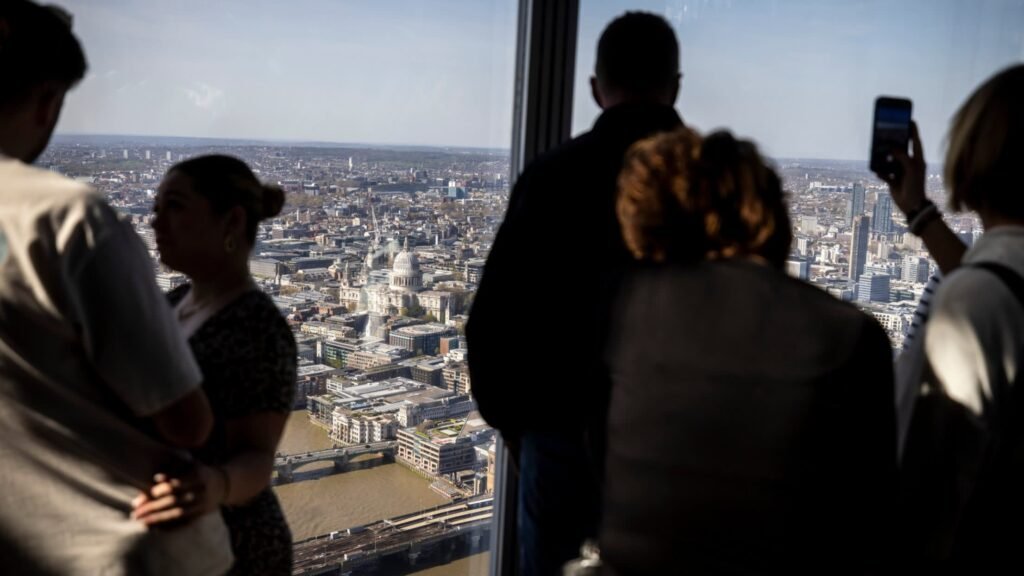
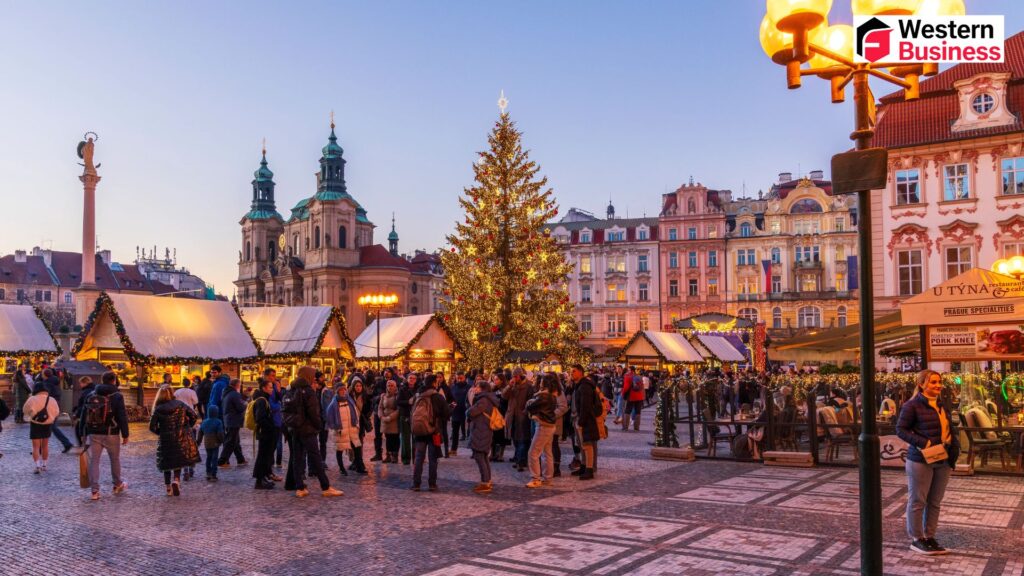
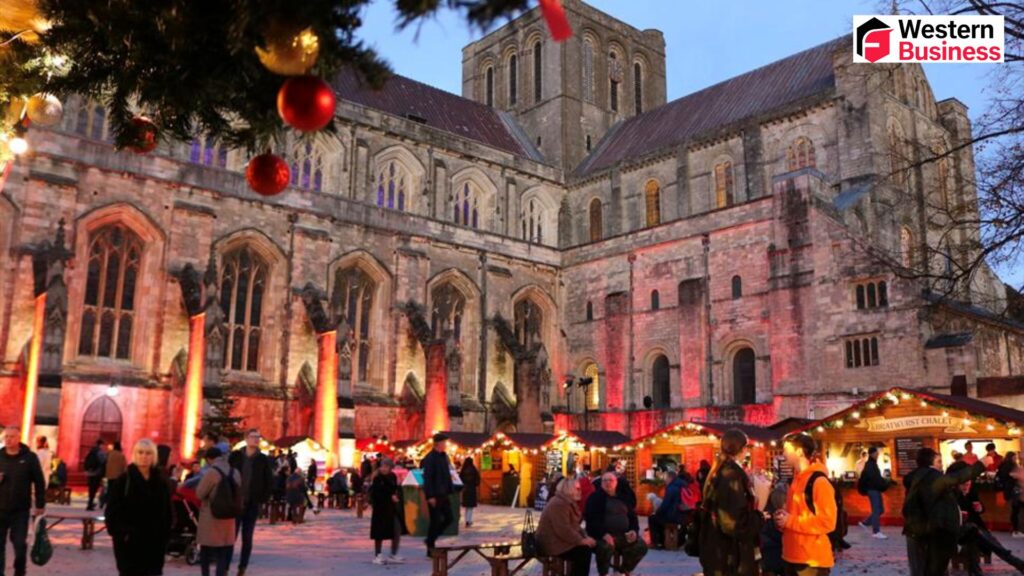
A successful venue may support nearby transport, hotels and late-opening businesses. Tourists comparing popular travel destinations in the UK increasingly look beyond landmarks and ask what they can actually do during the evening. Connections to local food, music, humour and architecture can make a destination memorable.
The Role of Comedy and Live Performance
Comedy works particularly well within a mixed leisure model. Shows have clear start times, encourage advance booking and attract audiences who may eat or drink before and after the performance.
Smaller rooms can support new acts and frequent programming, while larger rooms can host established performers. This creates a pipeline of events rather than relying only on occasional major dates.
Live performance also gives a venue personality. A food hall can be pleasant but interchangeable. A recognised comedy or music programme builds an audience that follows the schedule.
Operators should avoid treating performers as background decoration. Sound quality, sightlines, backstage needs and fair agreements affect reputation. Audiences notice when live entertainment feels carefully produced rather than added as an afterthought.
Sports Screenings Build Communal Moments
Watching sport at home is convenient, but major fixtures still create demand for shared atmosphere. Large screenings can fill venues at times when regular trade might be uncertain.
The opportunity is strongest when the venue manages the complete experience: visible screens, suitable sound, table planning, food service and clear entry arrangements.
There are also risks. Capacity, crowd behaviour, licensing and security require planning. Staff need to know whether customers are attending a ticketed event or using general areas. Poor communication can create long queues and disappointment.
A well-run screening can introduce new customers to the venue. The aim should be to encourage them to return outside the fixture, not simply maximise one busy evening.
Family and Daytime Programming Expand the Audience
Many venues known for nightlife are developing daytime family events, workshops or relaxed sessions. This uses space more efficiently and broadens the customer base.
Family programming needs suitable timings, accessible facilities, clear age guidance and affordable options. Daytime activity can also turn a building associated with nightlife into a broader community destination.
Operational Discipline Determines Success
The public sees food, music and atmosphere. Management sees rotas, suppliers, cleaning schedules, licensing conditions, ticketing systems and risk assessments.
Multi-use venues require strong coordination. Important questions include:
- Can kitchens handle the rush before a show?
- Are event and dining queues separated clearly?
- How are accessibility needs managed across spaces?
- Does the booking system explain which areas are included?
- Can customers find staff easily?
- What happens when an event ends at the same time as another begins?
Customer communication is central. Opening times, age restrictions, ticket conditions and accessibility information should be easy to find and kept current.
What Investors and Operators Should Watch
The model is attractive, but not every large building should become a food-and-entertainment hall. Investors should examine local demand, transport, competition and the quality of the operating team.
Useful indicators include repeat visits, spend across categories, private-booking demand, trader retention and customer movement between activities. High footfall alone may hide weak margins or dependence on discounts.
The strongest concepts have a clear anchor – such as comedy, food quality or a recognised market – supported by complementary experiences.
The Future of the UK Night Out
When the mix is coherent, the model can strengthen city centres and create opportunities for independent traders, performers and event businesses. When it is poorly managed, complexity quickly becomes confusion.
The winners in the new UK leisure economy will not simply place food, screens and stages in the same building. They will design the whole visit as one connected experience.