
























































































































How to Change a Tire: A Complete Step-by-Step Guide Everyone Should Know

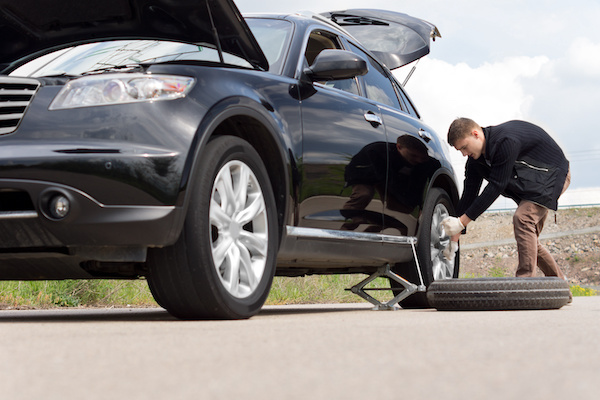
Knowing how to change a tyre is an essential life skill for every driver. Whether you’re commuting to work, travelling for business, or heading out on a long journey, a flat tyre can happen at any time. While roadside assistance is helpful, understanding how to change a tyre yourself can save time, money, and unnecessary stress.
This comprehensive guide explains how to change a tyre safely and correctly, using best practices, expert advice, and practical steps based on widely trusted automotive guidance.
How to Change a Flat Tire
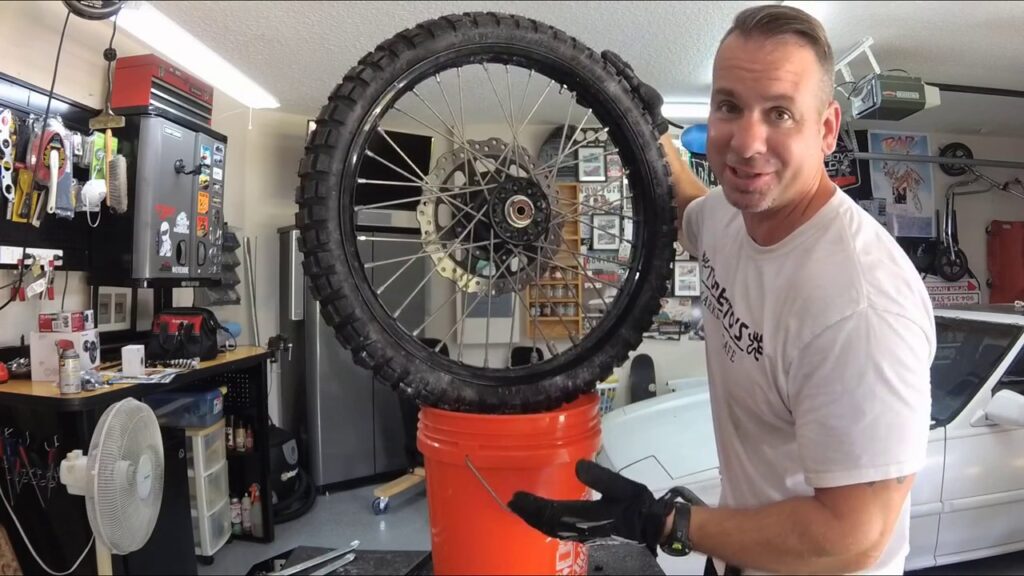
To change a tire, first park safely on level ground, engage the parking brake, and gather your spare tire and essential tools such as a jack and lug wrench. Loosen the lug nuts on the flat tyre before lifting the vehicle. Use the jack to raise the car until the tyre is off the ground, then remove the nuts and the flat tyre. Mount the spare tyre, hand-tighten the lug nuts, lower the vehicle slightly, and fully tighten the nuts in a star pattern. Once finished, stow all tools and have the flat tyre repaired or replaced as soon as possible.
Before You Start: Safety First
Safety should always be your top priority before attempting to change a tyre.
1. Park Safely
-
Pull over to a flat, stable surface, well away from moving traffic
-
Turn on your hazard warning lights
-
Engage the parking brake
2. Secure the Vehicle
-
Place wheel chocks, bricks, or rocks against the tyre diagonally opposite the flat one
-
This prevents the car from rolling while it’s lifted
3. Gather Your Tools
Most vehicles store these items in the boot:
-
Spare tyre (temporary or full-size)
-
Jack
-
Lug wrench (wheel brace)
-
Owner’s manual (recommended)
Step-by-Step Guide: How to Change a Tyre
Step 1: Loosen the Lug Nuts
Using the lug wrench, turn the wheel nuts counter-clockwise about a quarter turn.
⚠️ Do not remove them yet — just break the resistance while the tyre is still on the ground.
Step 2: Position the Jack
Refer to your vehicle’s owner manual to find the correct jacking point on the car’s frame.
Placing the jack in the wrong spot can damage the vehicle.
Step 3: Raise the Vehicle
Slowly jack up the car until the flat tyre is a few inches off the ground.
Step 4: Remove the Flat Tyre
-
Fully unscrew the loosened lug nuts
-
Pull the flat tyre straight towards you and set it aside
Step 5: Mount the Spare Tyre
-
Align the spare tyre with the wheel studs
-
Slide it onto the hub until it sits firmly in place
Step 6: Hand-Tighten the Lug Nuts
-
Reattach the lug nuts by hand
-
Tighten them lightly in a star or criss-cross pattern to ensure even pressure
Step 7: Lower the Car Slightly
Lower the car until the spare tyre touches the ground but still supports some weight.
Step 8: Final Tightening
Using the lug wrench, fully tighten the lug nuts in a star pattern.
This ensures the wheel is evenly secured.
Step 9: Lower Completely and Stow Equipment
-
Lower the car fully
-
Remove the jack
-
Store the flat tyre and all tools back in the boot
After Changing the Tyre: Important Checks
-
Check spare tyre pressure as soon as possible
-
Temporary (space-saver) spares have speed and distance limits
-
Visit a garage promptly to repair or replace the damaged tyre
Driving long distances on a temporary spare is not recommended.
Helpful Video Guides for Visual Learners
Many drivers find video demonstrations useful. Popular instructional videos include:
-
How to Change a Tire in 60 Seconds – Dad Advice From Bo
-
How to Change a Tire | Step-by-Step Guide – Howdini
-
How to Change a Tyre in 10 Simple Steps – RAC
These videos reinforce the steps explained above and are ideal for first-time learners.
Why Every Driver Should Know How to Change a Tyre
-
Saves time during emergencies
-
Reduces dependency on roadside assistance
-
Enhances road safety awareness
-
Builds confidence for long-distance or business travel
For professionals, entrepreneurs, and daily commuters alike, this basic skill can prevent costly delays and unnecessary stress.
Final Thoughts
Changing a tyre may seem intimidating at first, but with the right knowledge and preparation, it becomes a straightforward task. By following proper safety procedures and a step-by-step approach, anyone can handle a flat tyre confidently.
At Western Business, we believe practical knowledge is just as important as professional insight. Mastering essential skills like this helps you stay prepared—both on the road and in business.