














































































Kuwait Artificial Intelligence: Strategy, Growth, Regulation & Future Outlook (2026)

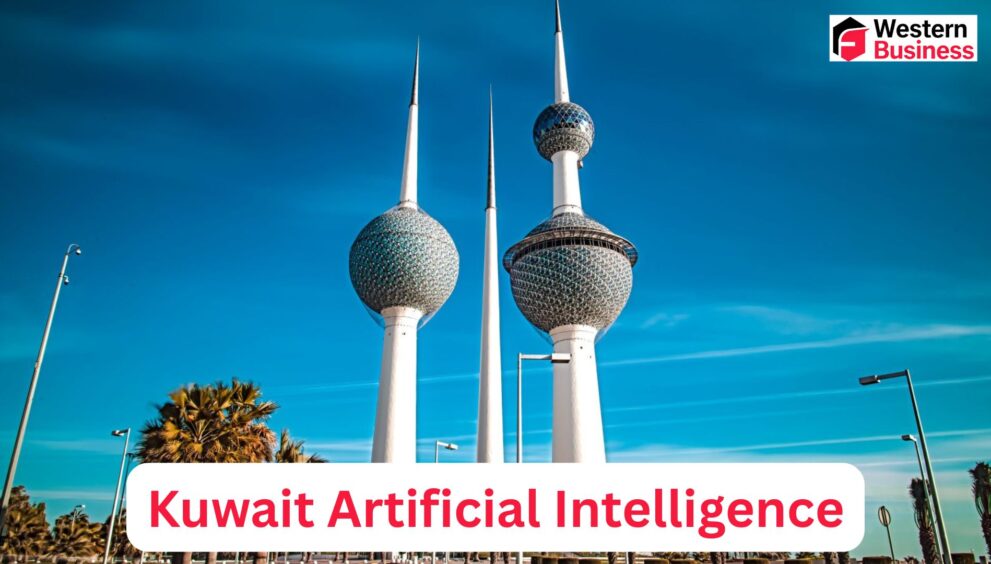
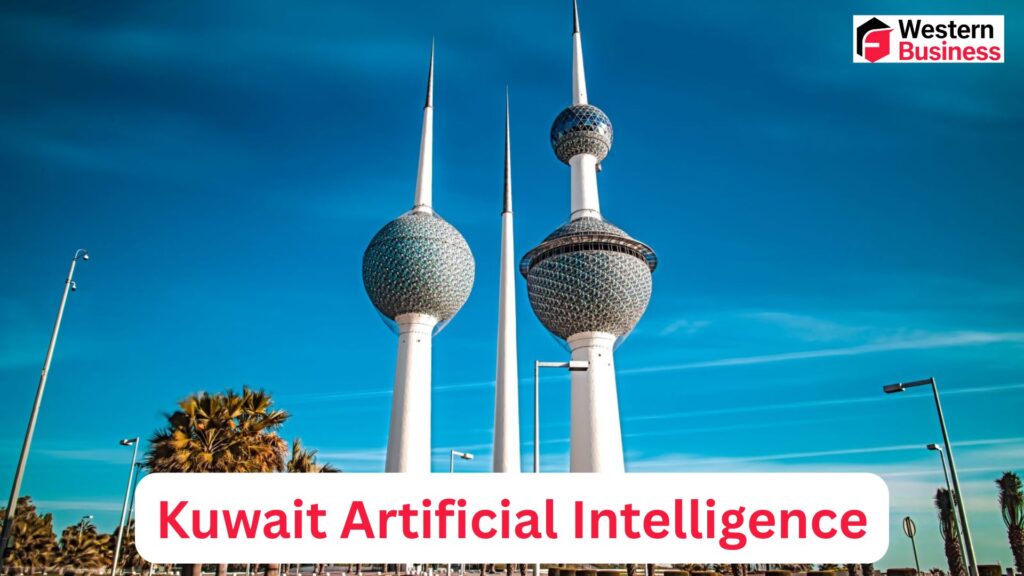
Kuwait artificial intelligence is rapidly transforming the country’s economy as part of Kuwait Vision 2035, shifting it from oil dependency toward a secure, knowledge-based digital future. In 2026, Kuwait is moving from AI pilot projects to large-scale national implementation across government, healthcare, energy, and finance.
At Business Western, we closely track global digital economies, and Kuwait artificial intelligence stands out as one of the most structured and state-driven AI transformations in the Gulf region.
What Is Kuwait Artificial Intelligence?
Kuwait artificial intelligence refers to the country’s national effort to design, regulate, and deploy AI technologies across public and private sectors under Kuwait Vision 2035. The focus is on ethical, human-centred AI supported by sovereign cloud infrastructure and global technology partnerships.
Kuwait artificial intelligence is not limited to automation—it is a long-term economic diversification strategy.
Kuwait Vision 2035 and Artificial Intelligence
Kuwait Vision 2035 (“New Kuwait”) positions kuwait artificial intelligence as a core pillar of economic growth, digital governance, and national security.
Key Vision 2035 Goals Linked to AI
-
Build a digital-first government
-
Reduce reliance on oil revenues
-
Develop a knowledge-based economy
-
Strengthen cybersecurity and data sovereignty
-
Create high-value AI jobs for Kuwaiti nationals
By 2026, Kuwait artificial intelligence initiatives have entered the execution phase rather than planning.
National AI Strategy (2025–2028)
The Kuwait National AI Strategy 2025–2028 is the backbone of kuwait artificial intelligence development.
Core Objectives
-
Position Kuwait as a regional AI leader
-
Promote ethical and human-centred AI
-
Develop Arabic-language AI systems
-
Encourage local innovation and startups
-
Integrate AI across public services
Unlike unregulated AI expansion, Kuwait artificial intelligence follows a state-led governance model.
AI Governance and Regulation in Kuwait
As of early 2026, kuwait artificial intelligence operates under a soft-regulation framework.
Key Governing Bodies
-
CAIT (Central Agency for Information Technology) – AI infrastructure and government systems
-
CITRA (Communication and Information Technology Regulatory Authority) – data, telecom, and digital regulation
A proposed Public Authority for Artificial Intelligence (PAAI) is expected to formalise AI governance between 2026 and 2028.
This balanced regulatory approach allows innovation while managing risk in kuwait artificial intelligence.
Infrastructure and Global Partnerships
One of the strongest pillars of kuwait artificial intelligence is its infrastructure strategy.
Microsoft Azure AI Region
-
Established in partnership with Microsoft
-
Provides sovereign cloud and local data centres
-
Supports government, healthcare, and financial systems
-
Ensures data residency within Kuwait
This partnership enables secure deployment of kuwait artificial intelligence at scale.
Global AI Investment
The Kuwait Investment Authority (KIA) joined a $100 billion global AI infrastructure partnership with Microsoft and BlackRock, signalling long-term commitment to AI-driven growth.
Sector-Wise Adoption of Kuwait Artificial Intelligence
1. Government Services
AI powers platforms like Sahel, enabling:
-
Automated service delivery
-
Real-time translation
-
Secure digital identity verification
Kuwait artificial intelligence is improving citizen access while reducing administrative costs.
2. Healthcare
AI is actively used in:
-
Predictive diagnostics
-
Nuclear medicine analysis
-
Orthodontics and imaging
-
Hospital workflow optimisation
Healthcare AI adoption demonstrates how kuwait artificial intelligence directly improves public outcomes.
3. Energy and Oil & Gas
The Kuwait Oil Company (KOC) has implemented Agentic AI systems:
-
Automated rig scheduling
-
Reduced idle time by nearly 50%
-
Improved safety and predictive maintenance
Energy remains a critical use case for kuwait artificial intelligence.
4. Smart Cities and Infrastructure
Mega-projects like Silk City (Madinat Al Hareer) integrate:
-
AI-driven traffic management
-
Smart urban planning
-
Energy-efficient infrastructure
Smart cities are central to the future of kuwait artificial intelligence.
5. Telecommunications
Zain Kuwait deployed an AI assistant for network engineers:
-
Faster fault detection
-
Predictive maintenance
-
Reduced service downtime
This innovation positions Kuwait as a telecom AI leader in the GCC.
Workforce Development and Kuwaitization
A sustainable kuwait artificial intelligence ecosystem requires skilled local talent.
Key Initiatives
-
Digital Leader Academy
-
Microsoft-backed AI and cybersecurity programs
-
Data science and cloud certification pathways
The goal is “Kuwaitization” of AI jobs rather than dependence on foreign expertise.
AI Salaries and Economic Impact (2026)
Kuwait artificial intelligence is reshaping the labour market.
Economic Indicators
-
ICT market value: $5.2 billion
-
Annual growth rate: 9.5% (projected to 2030)
AI Salaries
-
Average AI Engineer salary: $87,800 annually
-
Senior roles: up to $140,000
These figures show strong financial incentives within kuwait artificial intelligence careers.
AI Startups and Private Sector Growth
The private AI ecosystem in Kuwait is expanding steadily.
Notable AI Startups
-
Jowak AI – Arabic-English lifestyle assistant
-
Dawraty – AI-driven personalised education
-
Maia AI & Masaha – GCC-focused enterprise solutions
Startups play a critical role in diversifying kuwait artificial intelligence beyond government use.
Challenges Facing Kuwait Artificial Intelligence
Despite strong momentum, kuwait artificial intelligence faces several challenges:
-
Lack of fully binding AI legislation
-
Limited local AI research capacity
-
Integration with legacy IT systems
-
Global competition for AI talent
Addressing these gaps will define Kuwait’s AI success post-2026.
Future Outlook (2026–2028)
Between 2026 and 2028, kuwait artificial intelligence is expected to achieve:
-
Formal AI legislation
-
Nationwide AI adoption in public services
-
Stronger Arabic-language AI models
-
Expansion of sovereign cloud infrastructure
-
Mature startup and innovation ecosystem
Kuwait is transitioning from AI readiness to AI leadership.
Why Kuwait Artificial Intelligence Matters Globally
Kuwait’s model shows how mid-sized economies can adopt AI responsibly:
-
State-led governance
-
Ethical frameworks
-
Global partnerships
-
Workforce localisation
This approach makes kuwait artificial intelligence a reference case for emerging digital economies.
FAQs About Kuwait Artificial Intelligence
What is Kuwait artificial intelligence used for?
Kuwait artificial intelligence is used in government services, healthcare diagnostics, oil & gas operations, smart cities, finance, and telecommunications.
Does Kuwait have an AI law?
As of 2026, Kuwait follows a soft-regulation framework with ethical guidelines, while formal AI legislation is under development.
Is Kuwait investing heavily in AI?
Yes. Through KIA and global partnerships, Kuwait is investing billions in AI infrastructure and digital skills.
Are AI jobs in Kuwait well paid?
AI roles in Kuwait are highly paid, with senior professionals earning up to $140,000 annually.
How does AI support Kuwait Vision 2035?
AI enables digital governance, economic diversification, workforce development, and smart infrastructure under Vision 2035.
Conclusion: Business Western Perspective
From a Business Western viewpoint, kuwait artificial intelligence represents one of the most strategically governed AI transformations in the Middle East. Its focus on ethics, infrastructure, and workforce localisation aligns with long-term economic sustainability rather than short-term experimentation.
As BusinessWestern.co.uk continues to analyse global business and technology trends, Kuwait artificial intelligence stands as a powerful example of how national vision, regulation, and innovation can work together to shape a digital future beyond oil.