

























































































What Is Busy Lizzie? A Complete Guide for Gardeners

At Business Western, we focus on clear, trusted information, and this guide explains exactly what a busy lizzie is, how it grows, and why it remains one of the UK’s most loved bedding plants. A busy lizzie is known for long-lasting colour, minimal care needs, and excellent performance in shaded gardens, making it ideal for both beginners and experienced gardeners.
A busy lizzie, botanically known as Impatiens walleriana, is a tender flowering plant valued for its continuous blooms from spring until the first frost. It is widely grown across the UK for borders, containers, hanging baskets, and window boxes due to its reliability and vibrant colours.
Busy Lizzie Meaning and Botanical Background
The busy lizzie belongs to the Impatiens genus within the Balsaminaceae family and is native to East Africa. In the British Isles, the plant earned its name because it produces flowers so rapidly that it always appears “busy” blooming.
Impatiens walleriana is the most common species grown in gardens and is typically treated as an annual in the UK climate. Although technically a tender perennial, it does not survive frost outdoors.
Key Characteristics of Busy Lizzie Plants
A busy lizzie has a compact, bushy growth habit that makes it suitable for neat displays. The plant typically grows between 15 and 60 centimetres tall depending on the variety and growing conditions.
Main features include
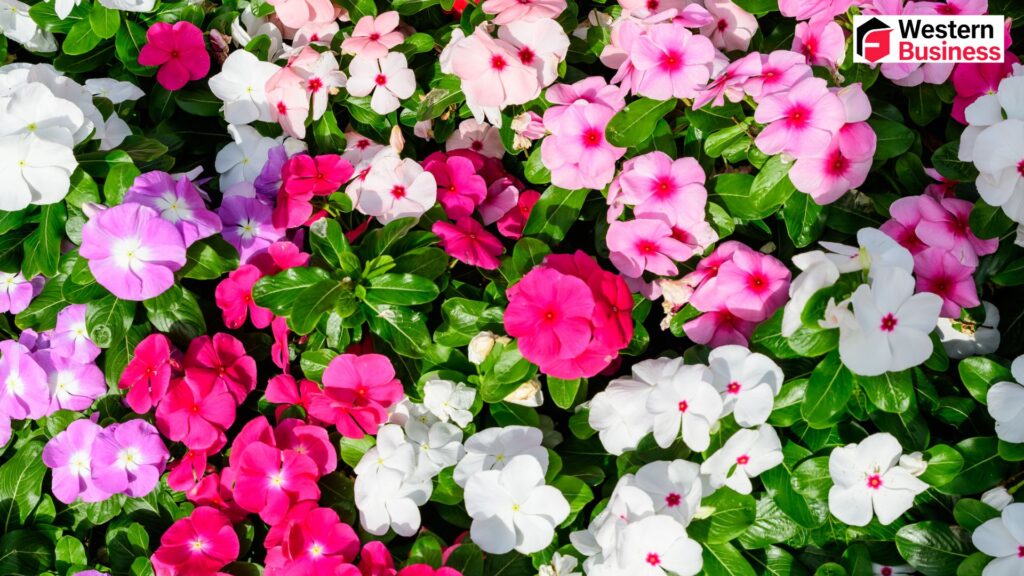
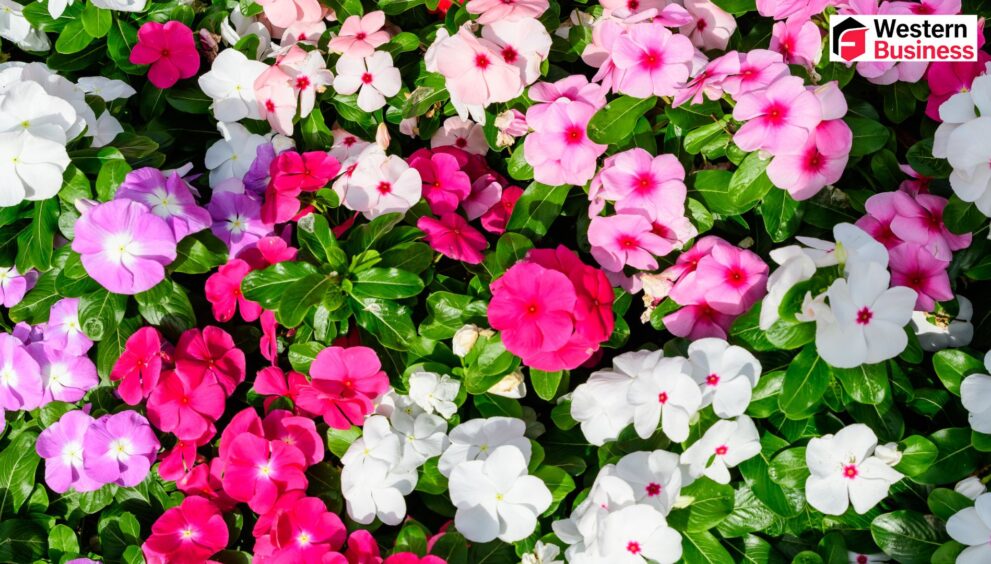
• Bright flowers in pink, red, white, purple, and coral shades
• Lush green, lance-shaped leaves
• Continuous flowering without deadheading
• Soft, fleshy stems that store moisture
These characteristics make a busy lizzie a dependable choice for consistent summer colour.
Flowering Season and Growth Habit
One of the strongest advantages of a busy lizzie is its long flowering period. Plants begin flowering in late spring and continue right through summer and early autumn until the first frost.
Unlike many bedding plants, a busy lizzie does not require frequent pruning or removal of faded flowers. This low-maintenance quality is why it remains popular in UK home gardens and public planting schemes.
Busy Lizzie Light Requirements: Sun or Shade
A busy lizzie thrives best in shaded or partially shaded locations. It performs exceptionally well where other flowering plants struggle due to limited sunlight.
Light preferences include
• Partial shade for best flower colour
• Full shade with reduced but steady blooming
• Sheltered spots protected from strong midday sun
New Guinea varieties tolerate brighter conditions, but classic busy lizzie plants prefer indirect light.
How to Grow Busy Lizzie Successfully
Growing a busy lizzie is straightforward, which is why it is recommended for beginners. The plant adapts well to containers, baskets, and ground planting when basic conditions are met.
Soil should be
• Moist but well-draining
• Rich in organic matter
• Neutral to slightly acidic
Planting after the last frost is essential, as a busy lizzie is highly sensitive to cold temperatures.
Watering and Feeding Requirements
A busy lizzie prefers consistently moist soil but should never sit in waterlogged conditions. During warm weather, regular watering is essential, especially for container-grown plants.
For best results
• Water when the top layer of soil feels dry
• Use liquid fertiliser every two weeks
• Avoid letting plants dry out completely
Proper watering ensures continuous flowering and healthy foliage.
Popular Busy Lizzie Varieties
Several varieties are available to suit different garden needs. Each type offers unique advantages while maintaining the classic traits gardeners expect.
Common varieties include
• Impatiens walleriana – the traditional compact bedding plant
• New Guinea Impatiens – larger leaves and stronger colours
• Beacon Series – bred for resistance to downy mildew
The Beacon range has become increasingly popular in the UK due to improved disease resistance and reliability.
Uses in UK Gardens and Containers
A busy lizzie is extremely versatile and works well in multiple garden settings. It is often used to brighten dull areas where sun-loving plants fail.
Ideal uses include
• Shaded borders
• Hanging baskets
• Window boxes
• Patio containers
In urban gardens and smaller spaces, a busy lizzie provides maximum colour without demanding attention.
Common Problems and Solutions
Although generally trouble-free, a busy lizzie can face a few issues if conditions are poor.
Typical problems include
• Wilting due to dry soil
• Yellowing leaves from overwatering
• Fungal disease in poorly ventilated areas
Using resistant varieties and maintaining good airflow helps prevent most problems.
Is Busy Lizzie a Houseplant?
A busy lizzie can be grown indoors under bright, indirect light. However, it performs best outdoors during the growing season.
Indoors, the plant needs
• Warm temperatures
• Good light levels
• Regular watering
Many gardeners overwinter plants indoors to extend their lifespan.
Is Busy Lizzie Edible?
Some Impatiens species are considered edible in small quantities, but a busy lizzie is primarily grown as an ornamental plant. It is not recommended for consumption unless specifically grown for edible use and properly identified.
FAQs About Busy Lizzie
What is another name for busy lizzies?
A busy lizzie is also known as Impatiens, balsam, or sultana in different regions.
How long do busy lizzies last?
They flower continuously from late spring until the first frost when grown in suitable conditions.
Do busy lizzies come back every year?
In the UK climate, they are usually grown as annuals because they do not survive frost.
Are busy lizzies easy to grow for beginners?
Yes, a busy lizzie is considered one of the easiest bedding plants due to its low maintenance needs.
Conclusion
At BusinessWestern.co.uk, we aim to provide practical, reliable guides that genuinely help readers, and this busy lizzie guide reflects that approach. With its long flowering season, shade tolerance, and minimal care requirements, a busy lizzie remains one of the most dependable bedding plants for UK gardens. Whether used in containers, baskets, or shaded borders, it offers vibrant colour with very little effort, making it a timeless favourite for gardeners across the country.