





















































































Business Information Warehouse: Complete Guide for Data-Driven Businesses

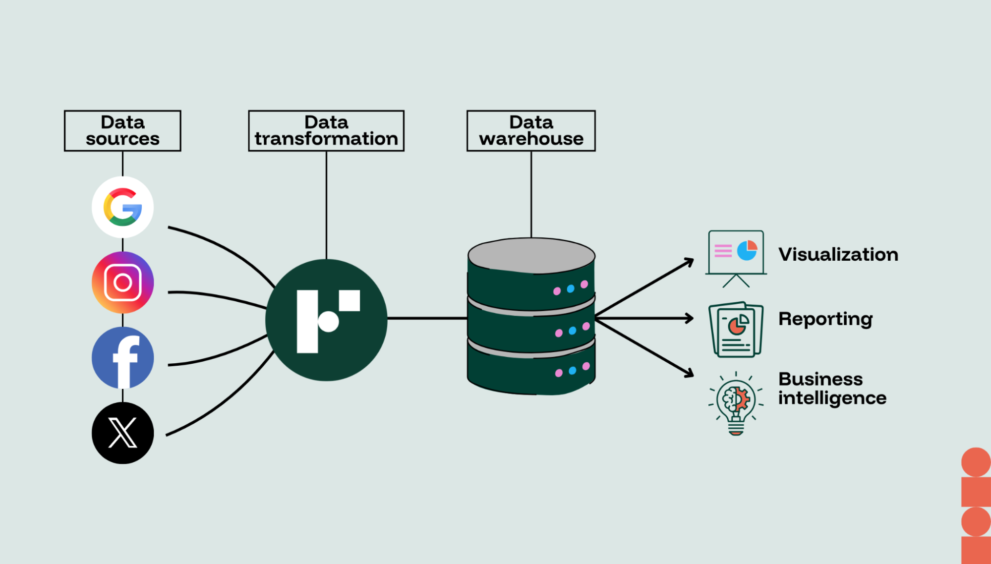
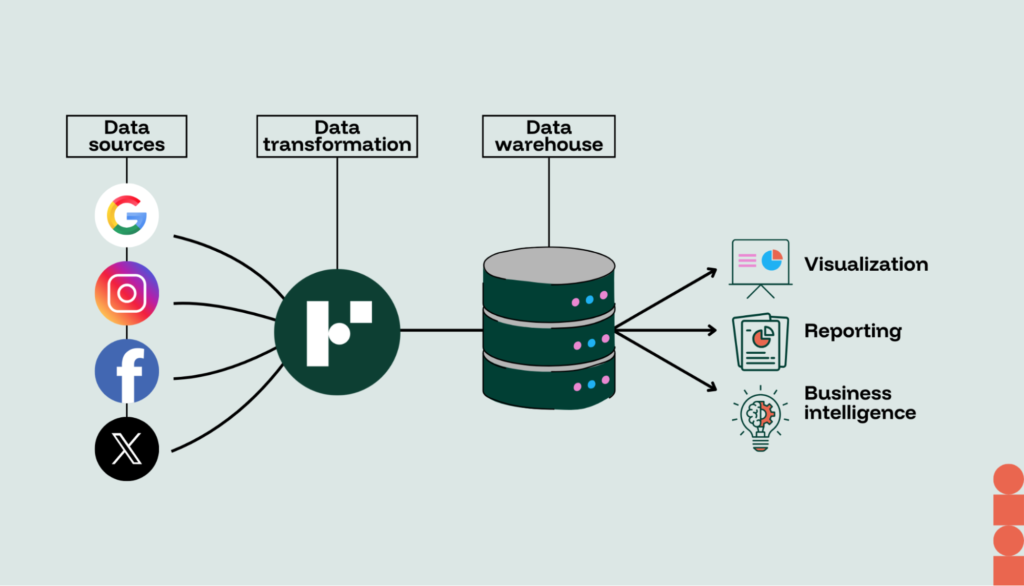
A Business Information Warehouse is a central system that collects, transforms, and stores business data from multiple sources for reporting, analytics, and strategic decision-making.
It enables organisations to analyse accurate, historical, and real-time data without impacting operational systems.
This guide explains what a Business Information Warehouse is, how SAP Business Warehouse (SAP BW) works, its benefits, evolution, and how UK businesses use it today.
What Is a Business Information Warehouse?
A Business Information Warehouse (BIW) is an enterprise-level data warehousing solution designed to:
-
Consolidate data from multiple systems
-
Clean and standardise information
-
Store large volumes of historical and current data
-
Enable advanced reporting and analytics
The most widely known implementation of a Business Information Warehouse is SAP Business Warehouse (SAP BW).
Definition:
A Business Information Warehouse is a central repository that transforms raw operational data into structured, analysis-ready information for business intelligence and decision-making.
What Is SAP Business Warehouse (SAP BW)?
SAP Business Warehouse (SAP BW) is SAP’s enterprise data warehouse product, originally built on the SAP NetWeaver ABAP platform.
It allows organisations to gather, integrate, and analyse data from:
-
SAP systems (SAP ERP, S/4HANA)
-
Non-SAP systems
-
External databases and files
SAP BW separates analytical workloads from operational systems, ensuring better system performance and data reliability.
Key Functions of a Business Information Warehouse
1. Data Integration
A Business Information Warehouse extracts and consolidates data from diverse sources, including:
-
ERP systems
-
CRM platforms
-
Financial systems
-
Supply chain tools
This creates a single source of truth for the organisation.
2. Data Transformation
Raw data is:
-
Cleaned
-
Formatted
-
Standardised
This ensures consistent analysis across departments such as finance, marketing, and operations.
3. Data Storage
BIW systems store:
-
Large volumes of historical data
-
Current transactional data
Data is stored in optimised structures such as InfoCubes, DSOs, or modern column-based models.
4. Reporting and Analysis
Business Information Warehouses support:
-
Dashboards
-
KPI reports
-
Ad-hoc queries
-
Forecasting and planning
SAP BW integrates with tools like:
-
SAP Analytics Cloud
-
Excel-based BI interfaces
-
Third-party BI platforms
Why Businesses Use a Business Information Warehouse
Core Benefits Explained
Centralised Data
All business information is stored in one secure, structured location, reducing data silos.
Improved System Performance
Heavy reporting is separated from transactional systems, ensuring daily operations remain fast and stable.
Strategic Decision-Making
Executives gain access to accurate insights for:
-
Forecasting
-
Performance monitoring
-
Long-term planning
Operational Efficiency
Preconfigured business models and automated data flows reduce implementation time and manual effort.
Business Information Warehouse vs Business Intelligence (BI)
Many professionals confuse Business Information Warehouse with Business Intelligence, but they are not the same.
| Aspect | Business Information Warehouse | Business Intelligence |
|---|---|---|
| Purpose | Data storage and preparation | Data analysis and visualisation |
| Function | Backend data foundation | Front-end reporting |
| Example | SAP BW | SAP Analytics Cloud |
Simple explanation:
A Business Information Warehouse stores and prepares data. Business Intelligence tools analyse and display it.
Evolution of Business Information Warehouse Technology
From SAP NetWeaver BW
SAP BW was originally built on the SAP NetWeaver platform, focusing on structured enterprise reporting.
Transition to SAP HANA
With the introduction of SAP HANA, SAP BW adopted:
-
In-memory computing
-
Faster query performance
-
Real-time analytics
BW/4HANA
BW/4HANA is SAP’s modern data warehouse solution designed exclusively for HANA, offering:
-
Simplified data models
-
Faster data processing
-
Native integration with SAP S/4HANA
Real-World Business Information Warehouse Use Cases
Financial Reporting
UK enterprises use SAP BW to:
-
Consolidate multi-entity financial data
-
Generate regulatory reports
-
Improve audit accuracy
Supply Chain Analytics
Businesses analyse:
-
Inventory levels
-
Supplier performance
-
Demand forecasting
Sales and Marketing Insights
BIW helps teams understand:
-
Customer behaviour
-
Campaign performance
-
Regional sales trends
Business Information Warehouse in the UK Market
UK organisations rely on Business Information Warehouses to meet:
-
GDPR data governance requirements
-
Financial compliance standards
-
Enterprise-level reporting needs
Industries such as banking, retail, manufacturing, and public sector widely use SAP BW-based solutions.
SAP BW vs Modern Cloud Data Warehouses
| Feature | SAP BW | Cloud Warehouses (e.g. Snowflake) |
|---|---|---|
| ERP Integration | Deep SAP integration | Platform-agnostic |
| Data Modelling | Predefined business models | Flexible schemas |
| Governance | Strong enterprise controls | Depends on setup |
| Best For | SAP-centric enterprises | Multi-cloud analytics |
Practical Tips for Implementing a Business Information Warehouse
-
Clearly define reporting requirements before implementation
-
Standardise data definitions across departments
-
Invest in data governance and security
-
Align BI tools with business users’ needs
-
Plan migration paths if moving to BW/4HANA
Frequently Asked Questions (FAQ)
What is a business information warehouse?
A business information warehouse is a central system that collects, transforms, and stores business data for reporting, analytics, and decision-making.
Is SAP BW a SAP product?
Yes. SAP Business Warehouse (SAP BW) is SAP’s enterprise data warehousing solution.
What is the difference between a data warehouse and SAP BW?
A data warehouse is a general concept. SAP BW is a specific, model-driven data warehouse built by SAP.
What is business intelligence in a data warehouse?
Business intelligence refers to tools that analyse and visualise data stored in a data warehouse.
Is SAP BW still relevant in 2025?
Yes. SAP BW remains relevant, especially with BW/4HANA, which supports real-time analytics and SAP S/4HANA integration.
Final Thoughts
A Business Information Warehouse is the foundation of reliable, enterprise-level analytics.
With solutions like SAP Business Warehouse, organisations gain trusted data, faster insights, and stronger decision-making capabilities.
For businesses aiming to scale intelligently in 2025 and beyond, a well-designed Business Information Warehouse is no longer optional—it is essential.