





















































































Chief Business Officer Meaning: Role, Responsibilities, and Strategic Importance

Understanding the chief business officer meaning is essential for modern organisations focused on sustainable growth and commercial success. A Chief Business Officer (CBO) is a senior executive responsible for aligning strategy, revenue, operations, and partnerships into one unified business engine. At BusinessWestern.co.uk, we break down complex business roles into clear, practical insights for UK professionals and decision-makers.
In today’s competitive UK market, the chief business officer meaning goes beyond job titles—it represents leadership that converts vision into measurable business results.
What Is the Chief Business Officer Meaning?
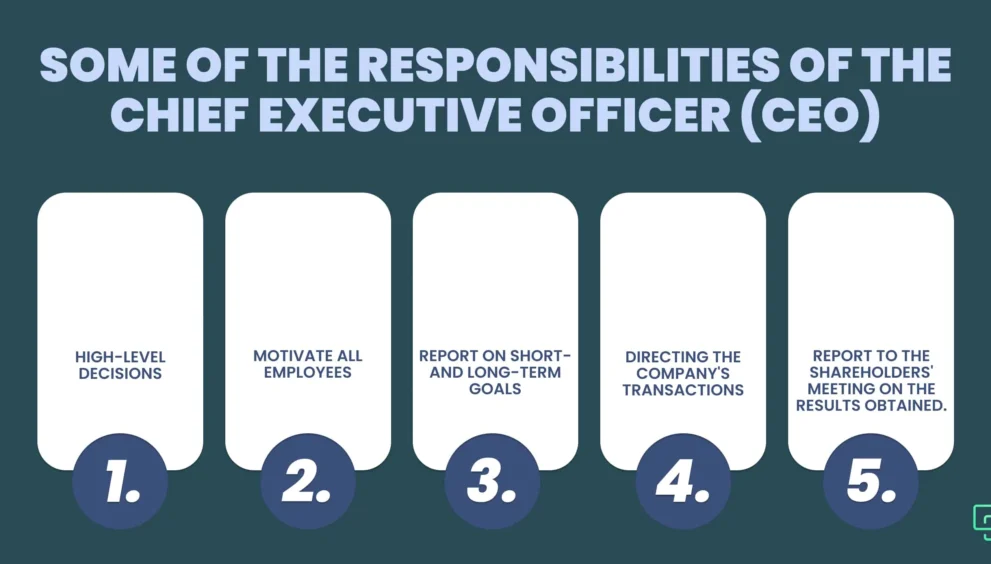
The chief business officer meaning refers to a top-level executive role focused on driving overall business growth, commercial strategy, and operational alignment. A CBO typically works closely with the CEO and other C-suite leaders to ensure every department contributes to long-term objectives.
In simple terms, the chief business officer meaning is about “owning the business side” of an organisation, including revenue, partnerships, and market expansion.
Key characteristics of the role include:
-
Strategic planning and execution
-
Revenue ownership
-
Cross-functional leadership
-
Commercial performance oversight
Core Responsibilities of a Chief Business Officer
Understanding the chief business officer meaning becomes clearer when examining the core responsibilities attached to the role.
Strategy and Growth Leadership
A CBO develops and executes strategies for market expansion, revenue optimisation, and competitive positioning. This includes anticipating market trends and identifying growth opportunities in the UK and global markets.
Business Development and Partnerships
One of the most critical aspects of the chief business officer meaning is deal-making. CBOs lead mergers, partnerships, and strategic alliances that strengthen market position.
Commercial Operations Oversight
CBOs oversee sales, marketing, customer success, and go-to-market strategies to ensure consistency and profitability across all revenue-generating functions.
Cross-Functional Alignment
The chief business officer meaning also involves acting as a connector. The role bridges gaps between departments like product, finance, sales, and operations.
Financial and Performance Management
CBOs manage budgets, review KPIs, and ensure sustainable profitability while maintaining cash flow discipline.
Chief Business Officer vs Other C-Suite Roles
To fully grasp the chief business officer meaning, it is important to understand how it differs from other executive roles.
Chief Business Officer vs CEO
The CEO defines vision and long-term direction, while the CBO focuses on executing that vision commercially and operationally.
Chief Business Officer vs COO
The COO manages internal operations, whereas the CBO has a stronger external and revenue-focused mandate.
Chief Business Officer vs CCO
In many organisations, the chief business officer meaning overlaps with the Chief Commercial Officer role. These titles are often used interchangeably.
Why Companies Appoint a Chief Business Officer
UK businesses increasingly adopt this role to handle complexity and scale efficiently.
Key reasons include:
-
Faster revenue growth
-
Better strategic execution
-
Unified commercial leadership
-
Improved accountability across departments
The chief business officer meaning reflects the need for one leader to “stitch the business together” across functions.
Industry Variations of the Chief Business Officer Role
The chief business officer meaning can vary depending on industry context.
Corporate and Commercial Businesses
In growth-stage and enterprise companies, CBOs focus on revenue, partnerships, and market expansion.
Academic and Research Institutions
Universities and hospitals may use the title for executives overseeing non-academic operations, funding, and institutional partnerships.
Key Skills Required for a Chief Business Officer
Understanding the chief business officer meaning also requires examining the skills behind the role.
Essential skills include:
-
Strategic thinking and execution
-
Financial literacy and budgeting
-
Negotiation and deal-making
-
Leadership across diverse teams
-
Data-driven decision-making
In the UK market, regulatory awareness and commercial compliance are also critical.
Real-World Example of a Chief Business Officer in Action
A UK SaaS company struggling with fragmented sales and marketing appointed a CBO to unify strategy. Within 18 months:
-
Revenue increased by 32%
-
Customer acquisition costs dropped
-
Partnerships expanded into European markets
This example clearly demonstrates the practical chief business officer meaning in real business environments.
How the Chief Business Officer Supports Long-Term Growth
The chief business officer meaning is closely tied to sustainable growth rather than short-term wins.
A CBO ensures:
-
Strategic initiatives align with revenue goals
-
Departments collaborate rather than compete
-
The company adapts to market changes proactively
This long-term perspective is why the role is increasingly valued in UK boardrooms.
When Does a Company Need a Chief Business Officer?
A business may need a CBO when:
-
Revenue growth has stalled
-
Teams lack strategic alignment
-
Expansion plans require coordination
-
The CEO needs execution support
At this stage, understanding the chief business officer meaning helps leaders make informed hiring decisions.
Chief Business Officer Meaning in the UK Business Landscape
In the UK, the role is particularly relevant for scaling firms, private equity-backed companies, and institutions navigating regulatory complexity.
The chief business officer meaning here often includes:
-
Market compliance
-
Stakeholder communication
-
Commercial governance
This makes the role both strategic and operational.
FAQs About Chief Business Officer Meaning
What does a chief business officer do?
A CBO drives business growth by aligning strategy, revenue, operations, and partnerships across the organisation.
Is a chief business officer higher than a CEO?
No. The CEO leads the organisation overall, while the CBO focuses on commercial and strategic execution.
Is chief business officer the same as chief commercial officer?
In many companies, yes. The roles are often interchangeable depending on structure.
Where do chief business officers usually work?
They are common in growing commercial companies, universities, research institutions, and healthcare organisations.
Why is the chief business officer role important?
It ensures all revenue-generating and customer-facing activities support long-term strategic goals.
Final Thoughts from BusinessWestern.co.uk
The chief business officer meaning represents a modern executive role designed for complex, growth-driven organisations. By aligning vision, revenue, and execution, a CBO turns strategy into sustainable success.
At BusinessWestern.co.uk, we help UK professionals understand evolving leadership roles and business structures that shape tomorrow’s economy. As organisations continue to scale and compete globally, the importance of clearly understanding the chief business officer meaning will only grow.