




















































































Investing in Fine Wine: Can You Get a Business Loan Against Wine Assets?


Yes, you can get a business loan against fine wine without selling your collection.
Wine-backed loans allow UK businesses and collectors to unlock liquidity from investment-grade wine stored in bonded warehouses, typically offering 50–70% of market value, while you retain ownership of the bottles.
What Is a Wine-Backed Business Loan?
A wine-backed loan is a form of asset-based finance where high-value, investment-grade wine is used as collateral to secure funding. Instead of selling rare bottles, the borrower leverages their market value to access capital for business needs.
This type of financing is increasingly popular in the UK among business owners, investors, and high-net-worth individuals who hold fine wine as an appreciating asset.
Definition:
A wine-backed loan is a secured business loan where investment-grade wine acts as collateral, allowing the borrower to raise capital while retaining ownership of the collection.
How Wine-Backed Loans Work (Step by Step)
1. Wine as Collateral
Your fine wine collection—typically rare vintages with strong market demand—acts as security for the loan. Only investment-grade wine qualifies.
2. Professional Valuation
Specialist lenders assess:
-
Producer reputation
-
Vintage quality
-
Provenance and ownership records
-
Current market demand
-
Storage conditions
Valuations often reference real-time data from global wine exchanges such as Liv-ex.
3. Secure Bonded Storage
The wine remains in professional, climate-controlled, insured bonded warehouses throughout the loan term. This protects the asset and preserves its value.
4. Loan Offer and Release of Funds
Most lenders offer a loan-to-value (LTV) ratio of 50–70%.
Funds are typically released quickly—sometimes within 24 hours.
5. Repayment and Return
Once the loan is repaid, ownership remains unchanged and the wine is returned to your control.
Why Businesses Use Wine-Backed Lending
Wine-backed lending offers a unique combination of flexibility and asset protection.
Key Benefits of Wine-Backed Business Loans
-
Liquidity Without Selling
Access capital while keeping your wine collection intact. -
Flexible Use of Funds
Use the loan for:-
Business expansion
-
Working capital
-
Cash-flow management
-
Inventory purchases
-
Tax obligations
-
-
Asset Appreciation Potential
Fine wine can continue to appreciate while serving as collateral. -
Low Credit Dependence
Approval focuses on the asset’s value rather than traditional credit scoring. -
No Monthly Payments (In Some Cases)
Certain pawnbrokers offer single repayment at loan maturity.
Typical Loan Structures in Wine Finance
Wine-backed loans are usually structured as:
-
Short-term bridge loans
-
Revolving credit facilities
-
Fixed-term secured loans (3–24 months)
Loan terms vary by lender, asset quality, and borrower profile.
Loan-to-Value (LTV) Explained
Most UK lenders offer:
-
50–60% LTV for conservative portfolios
-
Up to 70% LTV for top-tier, highly liquid wine
Example:
If your wine collection is valued at £500,000, you could typically borrow £250,000–£350,000.
AI Integration in Modern Wine Asset Lending
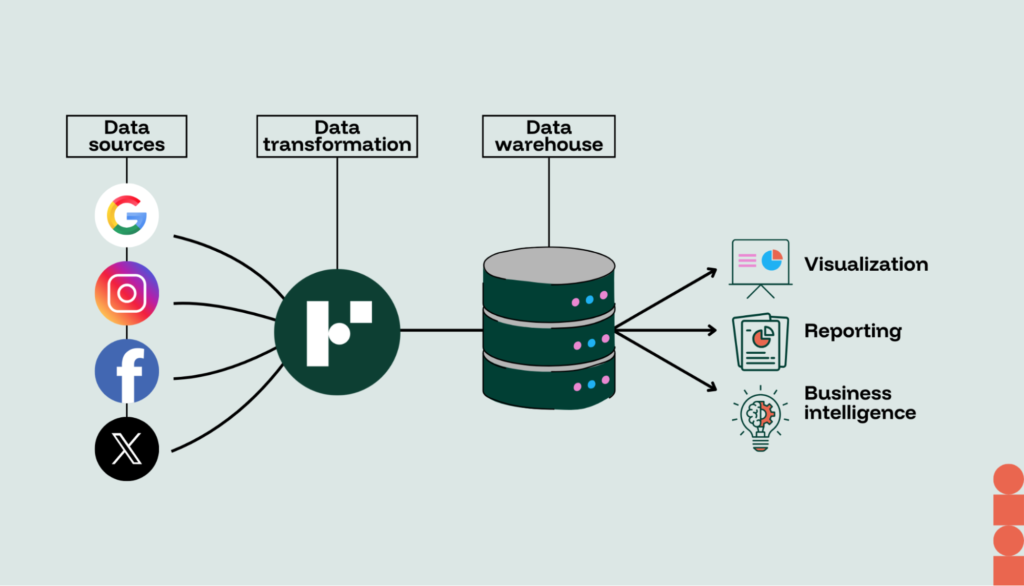
Artificial intelligence is transforming the wine finance sector, making it faster, more accurate, and more secure.
How AI Is Used in Wine-Backed Loans
Automated Valuation & Appraisal
AI algorithms analyse:
-
Real-time market data
-
Historical price movements
-
Demand trends by producer and vintage
This allows instant, data-driven valuation instead of manual assessments.
Rapid Risk Assessment
AI models evaluate:
-
Market volatility
-
Storage risk
-
Provenance verification
-
Collateral liquidity
Decisions that once took weeks can now be made in minutes or hours.
Speed and Efficiency
Many AI-enabled lenders can:
-
Process applications within 24 hours
-
Approve and release funds far faster than traditional banks
Predictive Market Analysis
AI tools monitor fine wine markets to:
-
Project future value
-
Set accurate loan limits
-
Reduce downside risk for both lender and borrower
Tax Considerations: Will I Be Taxed?
Wine-backed loans can offer tax efficiency, particularly in the UK.
Key Tax Points to Know
-
No Capital Gains Tax on Loans
Borrowing against wine does not trigger a sale, so no CGT arises at the loan stage. -
VAT and Excise Duty Deferral
Wine stored in bond allows VAT and duty to remain deferred while the loan is active. -
Professional Advice Recommended
For complex structures, UK law firms such as Forsters recommend consulting a solicitor or tax adviser.
Who Offers Wine-Backed Loans in the UK?
Wine finance is a specialist market served by experienced lenders and brokers.
Specialist Lenders
-
Enness Global – Luxury and wine-backed finance solutions
-
Suros Capital – Loans against fine wine for collectors and businesses
-
Funding Guru – Innovative funding solutions using wine assets
-
Prestige Pawnbrokers – High-value asset-backed lending
Brokers
-
Enness Global
-
Rangewell
Brokers help match borrowers with suitable lenders and negotiate competitive terms.
Typical Requirements for Wine-Backed Finance
To qualify, borrowers usually need:
-
Investment-Grade Wine Only
Mass-market or poorly documented bottles do not qualify. -
Professional Storage
Wine must be held in insured, climate-controlled bonded warehouses. -
Minimum Collection Value
Many lenders require minimum values starting around £150,000. -
Clear Provenance
Full documentation and ownership records are essential.
Real-World Example: Using Wine Finance for Business Growth
A UK retail business owner holds a £300,000 collection of Bordeaux and Burgundy stored in bond.
Instead of selling during a temporary cash-flow gap, they secure a £180,000 wine-backed loan.
Result:
-
Business expansion funded
-
No disruption to the wine portfolio
-
Wine continues to appreciate
-
Loan repaid after 12 months
Risks and Important Considerations
While wine-backed lending is attractive, it’s not risk-free.
-
Market prices can fluctuate
-
Poor storage can reduce valuation
-
Missed repayments may result in asset liquidation
Always review loan terms carefully and seek legal advice.
FAQs: Wine-Backed Business Loans
Can I get a business loan without selling my fine wine?
Yes. Wine-backed loans allow you to borrow against your collection while retaining ownership.
How much can I borrow against fine wine?
Most lenders offer 50–70% of the wine’s market value, depending on quality and liquidity.
Does my wine need to be stored in bond?
Yes. Professional, insured, bonded storage is usually mandatory.
Are wine-backed loans faster than bank loans?
Yes. Many AI-enabled lenders process applications and release funds within 24 hours.
Is wine-backed lending tax efficient in the UK?
Loans against wine in bond can defer VAT and excise duty, but professional tax advice is recommended.
Final Thoughts
Wine-backed business loans are a powerful financing option for UK businesses and collectors seeking non-disruptive liquidity. With AI-driven valuation, rapid approvals, and flexible terms, wine finance has become a credible alternative where traditional banks often cannot lend.