


























































































































What Is Community Investment Corp and How It Strengthens Local Economies

Community-focused finance plays a vital role in sustainable economic growth, especially in underserved areas. At BusinessWestern.co.uk, we focus on explaining practical financial models that support housing, small businesses, and long-term community development in a clear and trustworthy way. One such model is community investment corp, a mission-driven approach that combines lending with local impact.
This guide explains what community investment corp means, how it works in real-world settings, and why it matters for communities, policymakers, and socially responsible investors.
What Is Community Investment Corp
Community investment corp refers to a nonprofit or mission-driven development organisation that provides financing and support to revitalise neighbourhoods. These organisations typically focus on affordable housing, small businesses, and community projects that traditional lenders often avoid.
A defining feature of community investment corp is that profit is not the primary goal. Instead, success is measured by improved housing stability, stronger local businesses, and healthier neighbourhood economies.
Core Purpose and Mission
The mission behind this model is economic inclusion. These organisations exist to fill financial gaps where commercial banks may see higher risk or lower returns.
Common mission goals include:
-
Preserving affordable rental housing
-
Supporting local entrepreneurs
-
Stabilising distressed neighbourhoods
-
Encouraging long-term community wealth
By focusing on outcomes rather than short-term profit, community investment corp organisations act as catalysts for sustainable growth.
Key Characteristics of Community Investment Organisations
Most organisations operating under this model share several defining traits.
-
Mission-driven lending focused on social impact
-
Specialised loan products not widely available through banks
-
Long-term engagement with borrowers
-
Strong partnerships with local authorities and nonprofits
These traits allow community investment corp entities to operate effectively in areas where conventional finance struggles.
Chicago’s Community Investment Corporation Example
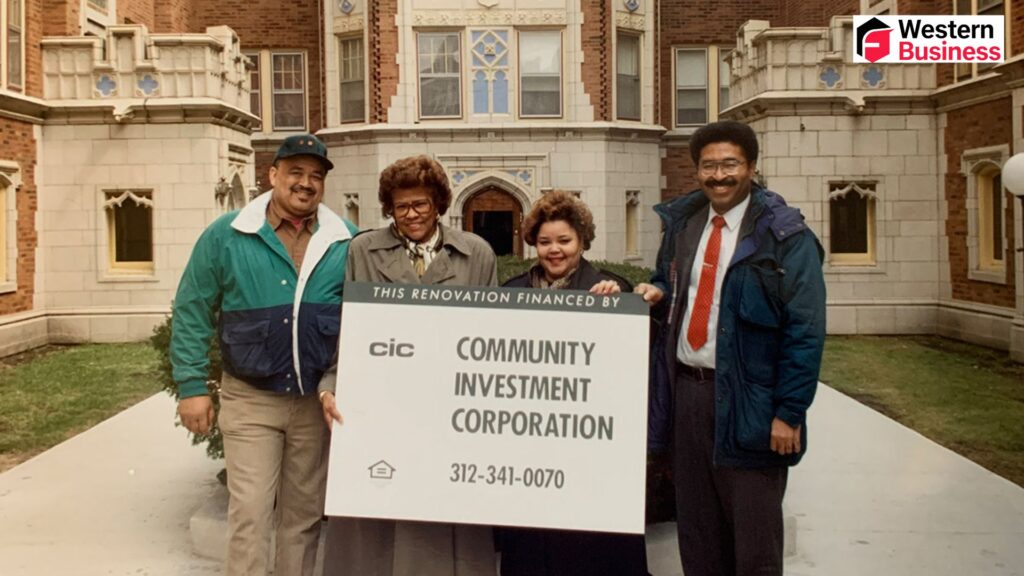
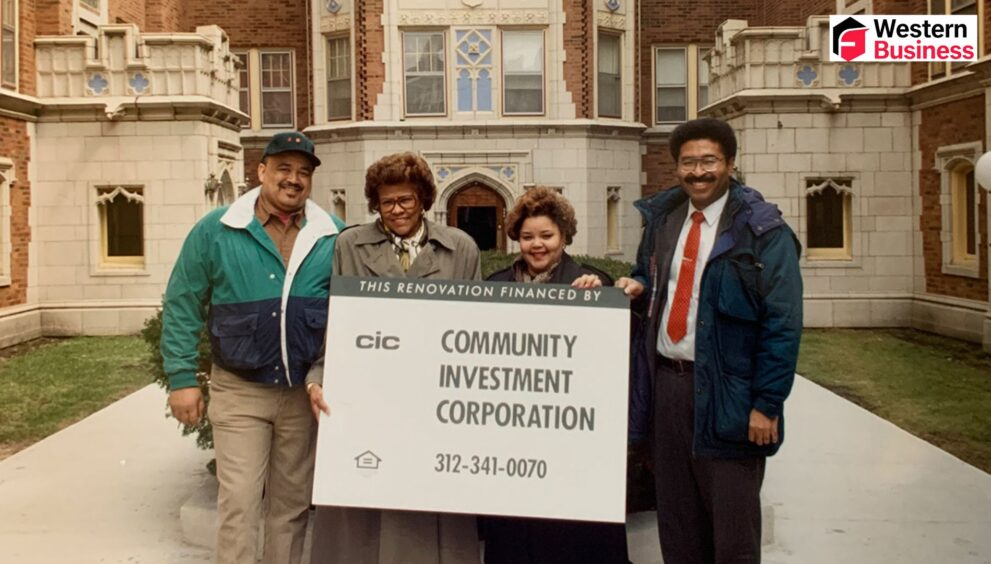
One of the most prominent examples is Chicago’s Community Investment Corporation (CIC). It is widely recognised as a leading lender for affordable rental housing across the Chicago area.
Key functions include:
-
Financing multifamily rental housing rehabilitation
-
Preserving affordable housing stock
-
Providing property management training to owners
-
Working with municipalities to stabilise distressed buildings
This example clearly shows how community investment corp models support both housing quality and neighbourhood revitalisation.
New England’s Community Investment Corporation Model
In New England, CIC operates as an economic development lender focused on small businesses. It provides tailored financial solutions across Connecticut, Rhode Island, and Massachusetts.
Services commonly include:
-
SBA 504 loans
-
Community Advantage loans
-
Microloans for small enterprises
-
One-to-one business guidance
This version of community investment corp demonstrates how the same concept adapts to regional economic needs.
Types of Loans Offered
These organisations provide loan products designed around community outcomes rather than rigid banking formulas.
Typical offerings include:
-
Affordable housing rehab loans
-
Acquisition and refinancing loans
-
SBA-backed small business loans
-
Microloans for early-stage enterprises
Because community investment corp lenders understand local challenges, their loan structures are often more flexible and supportive.
Support Services Beyond Lending
Financing alone is rarely enough to ensure success. That is why many organisations also provide non-financial support.
Common services include:
-
Technical assistance
-
Property management training
-
Business planning guidance
-
Compliance and regulatory support
This hands-on approach is a key reason community investment corp programmes achieve higher long-term success rates.
Why Community Investment Matters for Local Economies
Community investment strengthens economies by keeping capital circulating locally. Instead of extracting value, these models reinvest it into people, housing, and businesses.
Economic benefits include:
-
Job creation through small businesses
-
Reduced housing instability
-
Improved neighbourhood safety
-
Stronger local tax bases
The community investment corp framework aligns financial activity with social outcomes.
Comparison With Traditional Banks
Traditional banks prioritise credit scores, collateral, and short-term returns. In contrast, community investment corp lenders evaluate broader impact.
Key differences include:
-
Mission-first decision-making
-
Flexible underwriting criteria
-
Long-term borrower relationships
-
Community-based risk assessment
This distinction explains why these organisations succeed where banks often decline.
Relevance to the UK Context
While many examples come from the United States, the principles apply strongly to the UK. Community-focused finance aligns with regeneration efforts, affordable housing initiatives, and SME growth programmes across the country.
For UK readers of BusinessWestern.co.uk, the community investment corp model offers valuable insights into how ethical finance can support local development without relying solely on government funding.
Who Benefits Most From This Model
Several groups benefit directly from this approach.
-
Affordable housing providers
-
Small and minority-owned businesses
-
Local councils and housing authorities
-
Underserved neighbourhoods
By aligning incentives, community investment corp organisations help entire ecosystems thrive.
Common Misconceptions
Some people assume these organisations are government agencies. In reality, most are independent nonprofit lenders, often structured as 501(c)(3) entities in the US or equivalent charitable organisations elsewhere.
Another misconception is that they only fund housing. In practice, community investment corp programmes support a wide range of economic activities.
Frequently Asked Questions
What does a community investment corporation do
A community investment corporation provides mission-driven financing and support services to improve affordable housing, strengthen small businesses, and revitalise neighbourhoods.
Is community investment corp a government organisation
No, most are independent nonprofit or private economic development lenders that work alongside governments, not within them.
How does this type of investment reduce risk
By combining financing with technical support and local knowledge, these organisations improve borrower success and reduce long-term default risk.
Can small businesses access these programmes
Yes, many community investment corp lenders offer SBA-backed loans and microloans specifically designed for small enterprises.
Final Thoughts
Understanding how community investment corp works helps explain why community-focused finance is becoming increasingly important in modern economies. By combining lending, expertise, and long-term commitment, these organisations achieve results that purely profit-driven models often cannot.
At BusinessWestern.co.uk, we believe explaining proven economic frameworks clearly empowers readers to make smarter decisions. Whether you are a business owner, housing professional, or policy observer, the community investment corp model offers a powerful example of finance working for people, not just numbers.