























































































































Business Integrity Commission: Role, Purpose, and Enforcement Explained

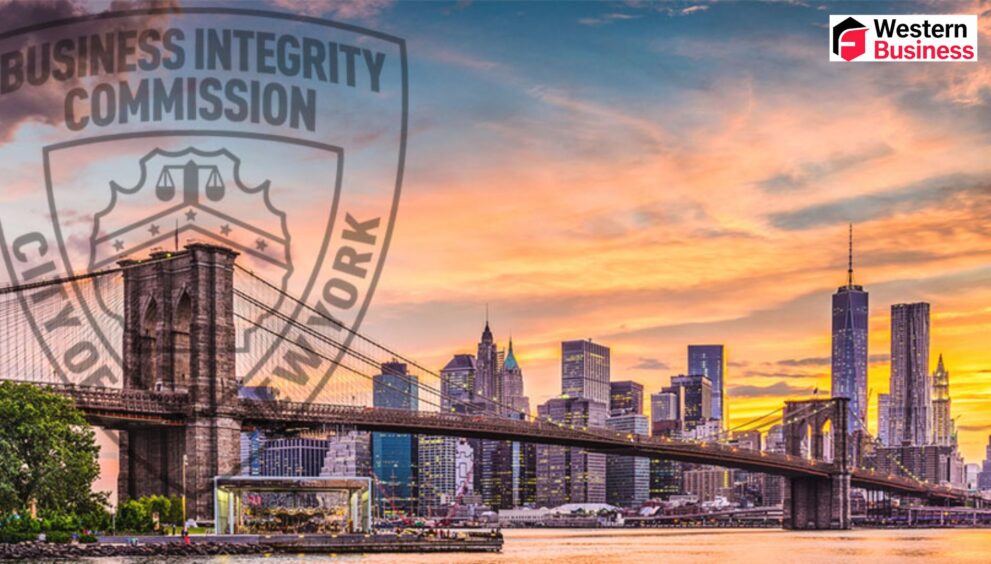
The business integrity commission is a regulatory authority created to protect public markets and essential industries from corruption, fraud, and organised crime. On BusinessWestern.co.uk, we focus on explaining complex regulatory bodies in a clear, practical way so professionals and businesses can understand how oversight works in real life.
Understanding the business integrity commission is essential for companies operating in regulated sectors, policy analysts, and compliance professionals who want insight into how governments enforce ethical business practices.
What Is the Business Integrity Commission?
The business integrity commission is a New York City government agency responsible for regulating specific high-risk industries to ensure they operate honestly and competitively. Its primary mission is to eliminate organised crime influence, prevent corruption, and protect consumers.
Unlike general regulators, the business integrity commission combines regulatory authority with investigative and enforcement powers. This allows it to license businesses, conduct background checks, and take direct action against criminal activity within the industries it oversees.
Industries Regulated by the Business Integrity Commission
The business integrity commission focuses on sectors historically vulnerable to racketeering, fraud, and coercive practices. Regulation is targeted rather than broad, allowing deeper oversight.
Trade Waste (Commercial Waste Hauling)
The private carting industry is a core focus. Waste hauling contracts were once dominated by organised crime, leading to inflated prices and threats against competitors. Licensing and monitoring ensure fair competition and lawful operations.
Public Wholesale Markets
Public markets such as the Fulton Fish Market fall under regulation because of their economic importance and past exposure to criminal control. Oversight ensures transparency, safety, and lawful trading practices.
Other Regulated Activities
In certain cases, the business integrity commission also oversees related activities connected to regulated markets where public interest and safety are at risk.
What Does the Business Integrity Commission Do?
The business integrity commission performs several interconnected functions designed to maintain integrity across regulated industries.
Key responsibilities include:
-
Issuing licences and registrations to businesses and employees
-
Conducting detailed background checks
-
Investigating criminal conduct and corruption
-
Enforcing compliance through penalties and licence revocation
This approach ensures only qualified and trustworthy operators can participate in critical city services.
Licensing and Background Checks Explained
Licensing is not a simple paperwork exercise. The business integrity commission examines ownership structures, financial history, criminal records, and business relationships before approval.
This process helps prevent:
-
Hidden criminal ownership
-
Money laundering activities
-
Coercive control of workers or competitors
For legitimate businesses, this creates a safer and more competitive operating environment.
Investigative and Enforcement Powers
Unlike advisory bodies, the business integrity commission has law-enforcement authority. Investigators can gather evidence, collaborate with prosecutors, and pursue enforcement actions against violators.
Enforcement tools include:
-
Fines and civil penalties
-
Licence suspension or revocation
-
Criminal referrals for prosecution
These powers are essential for deterring serious misconduct in industries tied to public safety.
Why the Business Integrity Commission Exists
The business integrity commission was established to address long-standing problems that traditional regulation failed to solve. Certain industries were repeatedly infiltrated by organised crime due to high cash flow and limited oversight.
Its existence serves three critical goals:
-
Protecting public safety
-
Preventing fraud, extortion, and violence
-
Ensuring honest competition
By removing criminal influence, markets become more efficient and trustworthy.
Ensuring Fair Competition and Consumer Protection
Fair competition is central to the mission of the business integrity commission. When companies compete on service quality and price rather than intimidation or illegal agreements, consumers benefit.
Regulated oversight helps:
-
Lower unfair pricing
-
Improve service standards
-
Increase transparency in contracts
This creates long-term economic stability in essential service sectors.
Real-World Impact of the Business Integrity Commission
A practical example can be seen in the commercial waste industry. Before regulation, businesses often paid inflated rates due to cartel-like behaviour. After licensing and enforcement reforms, prices stabilised and new competitors entered the market.
The business integrity commission played a key role by:
-
Breaking monopolistic practices
-
Enforcing open competition
-
Removing criminal operators
This demonstrates how targeted regulation can reshape entire industries.
Relationship with Other Government Agencies
The business integrity commission works alongside law-enforcement bodies, city departments, and prosecutors. Information sharing ensures that regulatory findings can support criminal cases when necessary.
This cooperation strengthens:
-
Public accountability
-
Legal enforcement
-
Long-term compliance
Such coordination is a defining feature of effective regulatory frameworks.
Business Integrity and Ethical Governance
Beyond enforcement, the business integrity commission represents a broader commitment to ethical governance. Integrity-based regulation signals that economic success must align with lawful and responsible conduct.
For businesses, this means:
-
Strong compliance systems are essential
-
Transparency is non-negotiable
-
Ethical leadership reduces regulatory risk
These principles are increasingly relevant in global markets.
Lessons for UK and International Businesses
While the business integrity commission operates in New York City, its model offers lessons for regulators worldwide. UK professionals reading BusinessWestern.co.uk can draw parallels with bodies such as the Competition and Markets Authority or sector-specific regulators.
Key takeaways include:
-
Focused regulation of high-risk industries
-
Strong investigative authority
-
Clear licensing standards
These elements improve trust and economic resilience.
Common Misconceptions About the Business Integrity Commission
Some assume the agency only targets criminal enterprises. In reality, legitimate businesses must also meet strict standards.
Others believe regulation limits competition, but evidence shows that removing illegal practices actually encourages healthy market entry and innovation.
FAQs
What does the business integrity commission do?
The business integrity commission regulates specific industries by licensing businesses, conducting background checks, and investigating corruption to protect consumers and ensure fair competition.
What is the purpose of the business integrity commission?
Its purpose is to eliminate organised crime influence, prevent fraud and violence, and maintain honest business practices in essential public service sectors.
Is the business integrity commission a law-enforcement agency?
Yes, it functions as both a regulatory and law-enforcement body, with authority to investigate misconduct and pursue enforcement actions.
Which industries are regulated?
The main focus is the trade waste industry and public wholesale markets, where historical risks of corruption are highest.
Why is this model important for modern economies?
Targeted integrity regulation protects public safety, promotes ethical business conduct, and strengthens consumer trust.
Conclusion
The business integrity commission demonstrates how focused regulation, investigative authority, and ethical oversight can transform industries once plagued by corruption. By licensing responsibly, enforcing compliance, and promoting fairness, it protects both consumers and legitimate businesses.
At BusinessWestern.co.uk, we analyse institutions like this to help readers understand how integrity-driven regulation shapes modern economies and why strong governance remains essential for sustainable business growth in the UK and beyond.